Pickup Points for eCommerce
People’s lives are Online/Offline, and the world of Logistics is innovating in this regard, and eCommerce pickup points are a rising trend.
Online consumers want the world to fit their needs not because they are pretentious but simply because it is actually possible to do so so why not do it?
Online transactions cost less, are easier, more convenient and faster. They are sewn into users’ lives, and handling the receipt of a package has become one of those operations.
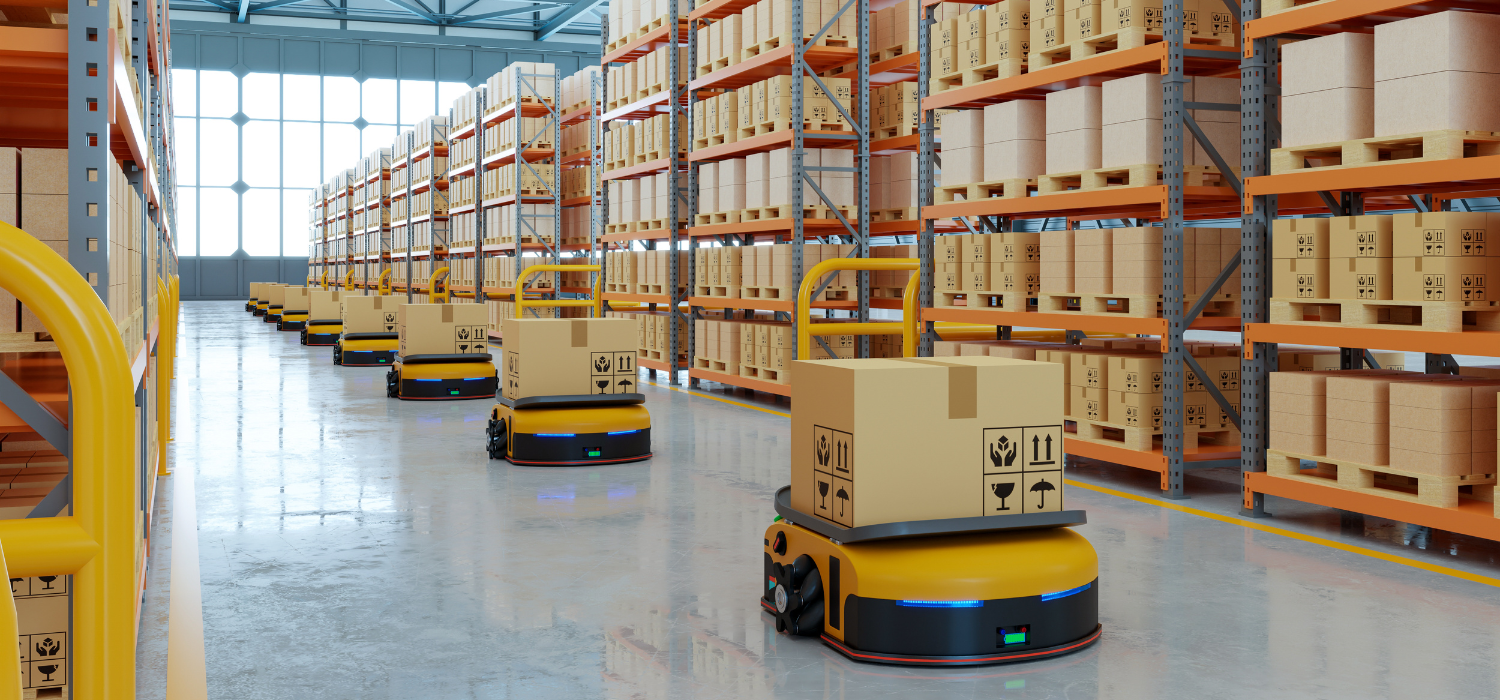
On the other hand, eCommerce businesses receive more orders so they have to manage inventory, volumes, delivery times and the much-expensive returns.
Here’s where choosing the right last-mile logistics partners can heavily change margins.
Pickup Points, Locker, Click&Collect
Collection points:
These are newsstands, supermarkets, gas stations, stores of various kinds, and lately even private individuals who provide their own space to receive packages and hold them in storage until the customer picks them up.
The latter thus avoids standing in line at a post office, can choose the most convenient pickup point based on time and location, and can often save on shipping costs by aggregating his or her shipment with those of other shoppers.
Forget that the location is home or office because the user may be on a business or leisure trip in an area totally distant from the addresses usually given.
Locker:
Locker, Italian for “locker.”
It is indeed similar to the locker that can be found in the gym but definitely more technological and can be found almost anywhere.
The various compartments are opened by a code that you get when ordering on eCommerce or by a QR code that is emailed to you.
Lockers can be used 24/7 so they offer total flexibility and save on waiting time by avoiding the typical line at a store or office.
Recently, refrigerated Lockers have also appeared in Italy to handle dry, fresh and frozen food.
Click & Collect:
A system widely used by single-brand store networks where the user goes to pick up a purchase made online on eCommerce or to make a return. The store is thus able to better organize inventory and save on shipping costs while maintaining a strong relationship between consumer and brand.
Benefits for eCommerce:
1. Reduced shopping cart abandonment rate
Users need more delivery choices during checkout, and eCommerce stores that offer more delivery solutions today have on average lowered the abandonment rate by -20% and improved the User Experience of their users.
2. Savings on shipping
Using one of the above options incentivizes the mode of collecting parcels under management to couriers, which, by also zeroing out storage and undelivered costs, allows for improved shipping prices.
3. Warehouse savings
Allows flows and inventory to be sorted according to aggregative logic resulting in savings in space, time and resources.
4. Facilitates returns
Makes it easy and inexpensive to manage returns for the same aggregation logics and fewer runs. 53% of 16-24 year olds even say they would like to receive packages with included materials to make returns.
5. Eco-sustainability and Traffic Decongestion
Fewer trips means less CO2 and fewer trucks on the roads, so a social and environmental benefit, but it is also a business issue. In fact, buyers are strongly influenced by the positions that brands take on social and environmental issues. This is an important aspect that every eCommerce should begin to consider.
How to integrate eCommerce Pickup Points.
In Italy there are as many as 18 networks of Collection Points, and our recent analysis tells how eCommerce and marketplaces choose only one of them or even none at all because of the too high costs of integration, technological maintenance, legal and the management/administrative ones.
Integrating them all was impossible until 2020: now there is GEL Proximity
GEL Proximity aggregates the 18 Italian pickup point networks and takes over the technology integration, creating a new, unique user experience.
It allows each eCommerce to add to the checkout a map showing the Pickup Points available at that moment or those most convenient for the eCommerce and the end user.
It then automatically manages the exchange of information necessary for shipping relieving on the one hand the workload of eCommerce and Couriers and on the other hand allowing both to decrease inventory, increase the volume of parcels transited and increase margins.